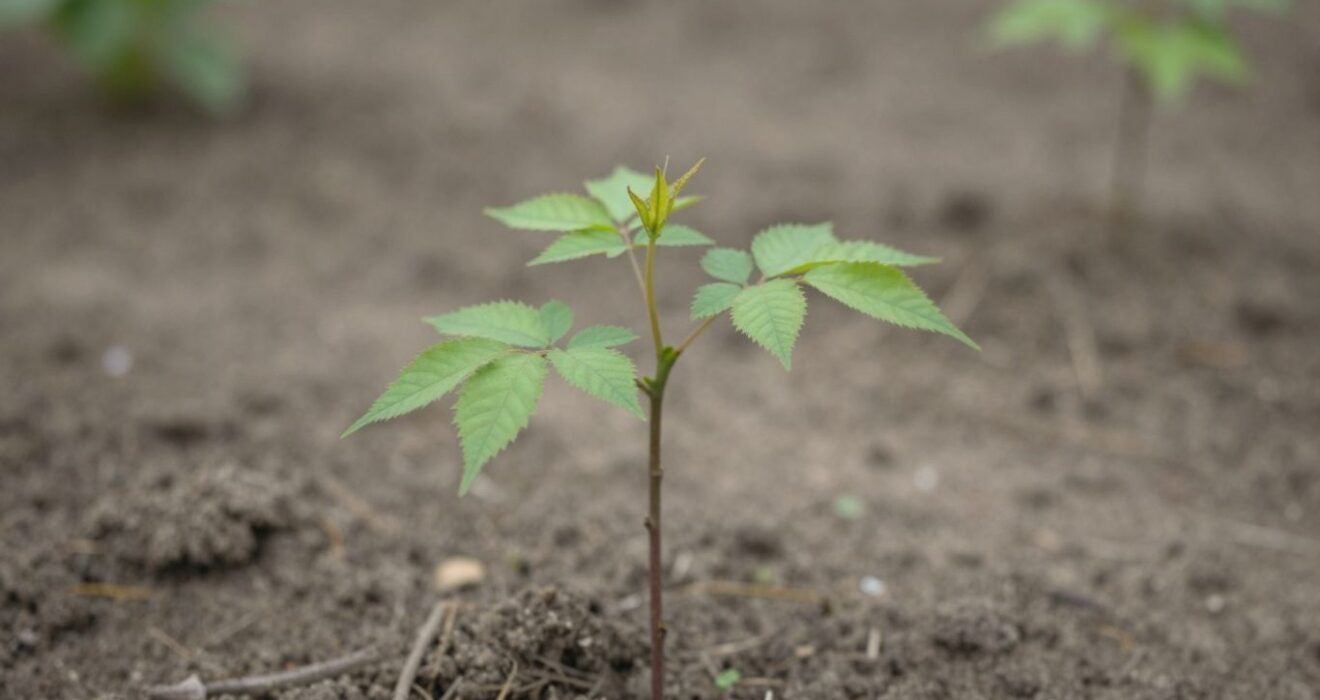
Thinking about planting a tree? That’s awesome! But before you get a big old oak, you’ll probably start with something smaller. That’s where tree saplings come in. They’re like the toddlers of the tree world – not quite grown up, but definitely on their way. This guide will walk you through what it is, why they’re important, and how to give them the best start in life. We’ll cover the basics so you can feel confident about growing your own little piece of the future.
Key Takeaways
- A sapling is a young tree, typically between one and four inches in diameter.
- It’s different from a seedling, which is a very young tree grown directly from seed.
- They are important for reforestation, landscaping, and supporting local ecosystems.
- Caring for it involves proper selection, planting, watering, and sometimes staking or pruning.
- Understanding when a it becomes a mature tree depends on its species and growth rate.
What Does Sapling Mean in Simple Terms?
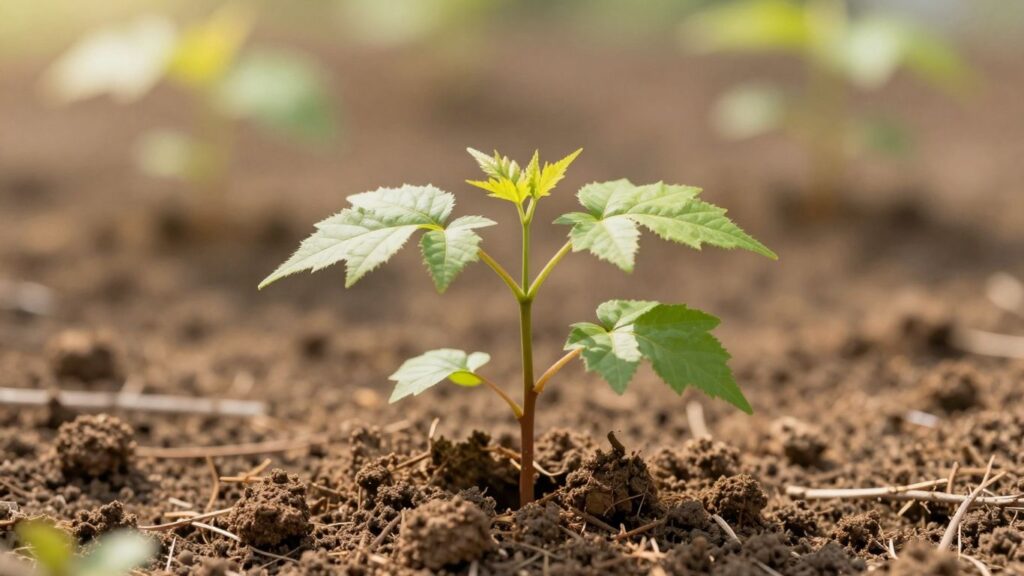
So, you’ve heard the term ‘sapling’ thrown around, maybe when talking about planting trees or in a gardening show. But what exactly does it mean? Simply put, a sapling is a young tree. Think of it as a teenager in the tree world – it’s past the tiny seedling stage but hasn’t quite reached full maturity.
Difference Between a Seedling and a Sapling
It’s easy to get seedlings and saplings mixed up, but there’s a pretty clear distinction. A seedling is a tree that has just sprouted from a seed. It’s usually quite small, often just a few inches tall, and might still have its first set of leaves. It’s the very beginning of a tree’s life.
A sapling, on the other hand, is a bit more established. It’s a young tree that has survived its initial vulnerable stage and has started to develop a bit more. Generally, a it is defined as a tree that’s between one and four inches in diameter at breast height. It’s got a bit of a trunk on it, and it’s starting to look like a miniature version of the tree it will eventually become.
Here’s a quick way to visualize the difference:
| Stage | Description |
|---|---|
| Seedling | Just sprouted from a seed, very small. |
| Sapling | Young tree, 1-4 inches in trunk diameter. |
| Mature | Fully grown tree, larger trunk diameter. |
The transition from seedling to sapling marks a significant milestone in a tree’s life. It means the young plant has overcome initial challenges and is on its way to becoming a strong, established tree. This stage is where it really starts to take on its characteristic form.
Tree Sapling Meaning & Characteristics
The tree sapling is all about potential. It’s a tree that has survived its most vulnerable early stages and is now on its way to becoming a mature, established tree. It’s a sign of a healthy forest or landscape, indicating that conditions are good enough for new trees to take root and thrive.
Essentially, a sapling is a tree in its adolescent phase. It’s not a tiny sprout anymore, but it’s not a grand old tree either. It’s that in-between stage where it’s actively growing, developing its structure, and preparing for a long life ahead.
Here are some common characteristics to help with baby tree identification:
- Size: Generally, saplings are between 1 to 4 inches in diameter at the base. Height can vary a lot depending on the species, but they’re usually a few feet tall.
- Structure: They have a distinct main stem (which will become the trunk) and several branches. The bark is usually smooth or just starting to show texture.
- Root System: While not visible, a sapling has a developing root system that’s strong enough to anchor it but still needs protection and space to grow.
- Growth Rate: This is a period of rapid growth, where the tree is putting a lot of energy into getting taller and stronger.
Why Tree Saplings Are Important
Planting a tree sapling might seem like a small act, but it’s actually a pretty big deal for our planet and our communities. These young trees are like tiny investments in the future, offering a whole bunch of benefits as they grow.
First off, they’re environmental superheroes in training. Trees help clean the air we breathe by taking in pollutants. They also play a big role in preventing soil from washing away, especially on slopes, and they help hold onto water, which is super important during dry spells. Plus, as they grow, they provide shade, which can cool down our neighborhoods and even lower energy bills.
Here’s a quick rundown of why they matter so much:
- Air Quality Improvement: Trees absorb carbon dioxide and release oxygen, acting as natural air filters.
- Biodiversity Support: They provide food and shelter for birds, insects, and other wildlife, creating a more vibrant ecosystem.
- Soil Health: Their roots help stabilize soil, preventing erosion, and as they shed leaves, they add nutrients back into the ground.
- Climate Change Mitigation: By absorbing CO2, trees help reduce the greenhouse gases contributing to climate change.
- Aesthetic Value: They make our surroundings more beautiful and peaceful.
Caring for a sapling is a way to directly contribute to a healthier environment. It’s a hands-on way to make a positive impact that will last for years, even decades, to come.
So, when you plant a sapling, you’re not just putting a small tree in the ground; you’re planting hope, improving your local environment, and contributing to a healthier planet for everyone. It’s a simple action with a really long-lasting positive effect.
How to Care for a Tree Sapling
So, you’ve got a young tree, a sapling, and you want to see it grow into a mighty oak or a graceful maple. That’s awesome! Caring for these little guys isn’t rocket science, but it does take a bit of attention. First off, make sure you know how to identify a sapling correctly. It’s usually a young tree, typically between one and four inches in diameter at the base, that has a single main stem or trunk.
When you first get your sapling, especially if it’s bare-root, keep its roots moist and cool until you’re ready to plant. Think of it like keeping a fresh bouquet of flowers happy. You don’t want those delicate roots drying out before they even get a chance to anchor themselves in the soil. If you’re buying from a nursery, they’ll often have specific storage advice, and it’s good to know how to keep them in good shape before planting, like keeping them between 34–40°F with roots wrapped to prevent drying.
Once it’s in the ground, watering is key. Young trees need consistent moisture, especially during their first year or two. Don’t drown it, though! The soil should be damp, not soggy. A good rule of thumb is to water deeply when the top inch or two of soil feels dry. Mulching around the base is a great idea too. It helps keep the soil moist, keeps weeds from stealing nutrients, and protects the roots from extreme temperatures.
Staking might be necessary if your sapling is in a windy spot or can’t stand up on its own. Use soft ties and don’t wrap them too tightly around the trunk. The goal is support, not strangulation!
Pruning is also important, but go easy. You want to encourage a strong central leader (that’s the main trunk) and remove any branches that are dead, diseased, or crossing awkwardly. Too much pruning can stress a young tree, so just focus on shaping it for good structure.
Here’s a quick rundown of what to look for:
- Watering: Deep and consistent, especially when young.
- Mulching: Keeps moisture in and weeds out.
- Staking: Only if needed for support.
- Pruning: Minimal, focused on structure and health.
- Pest/Disease Watch: Keep an eye out for any unwelcome visitors or signs of trouble.
It’s all about giving your little tree the best possible start so it can grow strong and healthy for years to come.
Common Mistakes When Growing Saplings
So, you’ve got a little tree sapling, ready to grow big and strong. That’s awesome! But sometimes, even with the best intentions, we can mess things up. It happens to the best of us, right? Let’s talk about some common slip-ups so your tiny tree has the best shot at thriving.
One of the biggest blunders is picking the wrong spot. You might think, ‘More sun is always better!’ but that’s not always true. Some saplings love full sun, while others prefer a bit of shade, especially when they’re young and delicate. Planting a sun-lover in deep shade or vice-versa can really stunt its growth or even harm it. Always check what your specific tree needs before you dig that hole.
Then there’s watering. It’s a balancing act, for sure. Overwatering is a super common killer of young trees. Their roots can’t breathe if they’re constantly waterlogged, leading to root rot. On the flip side, letting the soil dry out completely is also bad news. You want the soil to be consistently moist, like a wrung-out sponge, not soggy or bone dry. Stick your finger in the soil about an inch or two down; if it feels dry, it’s time for a drink. If it feels wet, hold off.
Another pitfall is forgetting about space. When you plant a sapling, it looks so small and lonely. It’s easy to cram them too close together or too close to other plants or structures. But remember, this little guy is going to grow! It needs room for its roots to spread out and its branches to reach for the sky without bumping into everything. Proper spacing also helps with air circulation, which keeps fungal diseases at bay.
Here are a few other things to watch out for:
- Staking gone wrong: While staking can help a wobbly sapling, leaving the ties on too long or tying them too tightly can damage the trunk and prevent it from getting strong on its own. Remove stakes once the tree can stand firm.
- Too much pruning too soon: It’s tempting to shape your sapling right away, but young trees need their leaves to make food. Only prune dead, damaged, or crossing branches. Major shaping should wait until the tree is more established.
- Ignoring pests and diseases: Little trees are more vulnerable. Keep an eye out for any unusual spots on leaves, wilting, or signs of bugs. Catching problems early makes them much easier to fix.
Sometimes, the simplest things are the easiest to overlook. It’s not about being a master gardener overnight; it’s about paying attention to the little details and learning as you go. Your sapling will thank you for it.
Finally, don’t forget about mulch! A nice layer of mulch around the base (but not touching the trunk!) helps keep moisture in, suppresses weeds, and protects the roots from temperature swings. It’s like a cozy blanket for your young tree.
When Does a Sapling Become a Tree?
So, you’ve been nurturing a little sapling, watching it grow, and now you’re wondering, when does it officially graduate to ‘tree’ status? It’s not quite as simple as a birthday party for your plant, but there are some general ideas.
The transition from sapling to tree is more about reaching a certain stage of maturity and size than hitting a specific age. Think of it like a teenager becoming an adult – there’s no single day it happens, but a gradual process.
Here are a few things to consider:
- Height and Diameter: While there’s no universal rule, many arborists consider a sapling to be a young tree once it reaches a certain height, often around 10-15 feet, and its trunk has a diameter of at least 4 inches. This is when it starts to look less like a shrub and more like a miniature version of its mature self.
- Root System Development: A sapling is still developing a robust root system. As it matures, its roots spread wider and deeper, anchoring it more firmly and allowing it to draw more nutrients and water. This is a key indicator of its growing independence.
- Branch Structure: It typically have a more flexible, less defined branch structure. As they mature into trees, they develop a more established canopy with a clear leader (the main trunk) and well-defined primary branches.
- Reproductive Capability: For many species, reaching a certain size and maturity means the tree is capable of flowering and producing seeds or fruit. This is a biological marker of adulthood.
Essentially, when your sapling starts to look and act like a miniature version of the mature tree it’s meant to be, with a sturdy trunk, a developing canopy, and a strong root system, you can probably start calling it a tree. It’s a gradual, beautiful process of growth and establishment.
Conclusion
So, you’ve learned a bit about the tree sapling meaning is and how to get one started. It’s not super complicated, right? Think of it like getting a new pet, but one that grows into a giant, shady friend. Whether you’re planting one in your yard or just curious, understanding these young trees is pretty neat. They’re the future of our forests and parks, and giving them a good start really does make a difference. Happy planting, and enjoy watching your little tree grow!
Frequently Asked Questions
What is a sapling?
A sapling is a young tree that has grown from a seed and is still small, usually between 1 to 4 inches in diameter. It’s past the seedling stage but not yet a mature tree. Think of it as a tree teenager!
What’s the difference between a seedling and a sapling?
A seedling is a very young tree that has just sprouted from a seed. A sapling is a bit older and stronger, having grown for at least a year or two and developed a more sturdy trunk.
Why are saplings important?
Saplings are super important because they are the future of our forests and landscapes! Planting them helps create more oxygen, provides homes for animals, prevents soil erosion, and makes our planet healthier and more beautiful.
How do I care for a sapling?
Caring for a sapling involves picking the right spot with good soil, watering it regularly but not too much, and sometimes staking it if it’s wobbly. You might also need to trim off any dead or crossing branches to help it grow strong and shapely.
When does a sapling become a tree?
There’s no exact date, but a sapling is generally considered to have become a tree when its trunk reaches about 4 inches in diameter. It’s then considered a young tree, ready to grow into its full, mature form.
Can I plant a sapling in my yard?
Absolutely! Planting a sapling in your yard is a fantastic idea. Just make sure to choose a tree that’s suited for your area’s climate and soil, and give it the care it needs to grow strong and healthy.