Ever notice that fuzzy green or grey stuff clinging to tree trunks and branches? It’s easy to just call it moss, but there’s a good chance it might be something else entirely. Understanding the difference between moss, lichen, and even algae on trees is pretty interesting, and it can tell you a bit about the environment your trees are living in. Let’s clear up some of the confusion about what’s growing on your trees.
Is Moss on Trees a Problem?
Seeing a tree bark covered in green, or maybe some greyish patches, can make you pause. You might wonder if this growth is actually hurting your tree. The good news is, most of the time, these fuzzy coverings are not a sign of trouble for the tree itself. Think of them more like decorations that happen to grow on the tree’s surface. They are not feeding on the tree or causing direct damage. In fact, their presence can sometimes indicate a healthy, humid environment. However, it’s worth understanding what these organisms are and why they choose to grow on your trees. Distinguishing tree surface organisms like moss, lichen, and algae is key to knowing if there’s an underlying issue. While the growth itself is usually harmless, it can sometimes be a clue that the tree is experiencing conditions that might be less than ideal, such as too much shade or constant moisture. It’s like noticing a bit of dampness in your basement; the dampness isn’t the problem, but it might point to a leaky pipe. So, while you don’t usually need to worry about the moss or lichen directly harming the tree, it’s a good reason to take a closer look at the tree’s overall health and its surroundings. If the growth is extremely thick or the tree looks stressed, that’s when you might want to investigate further. For more information on why these growths appear, you can check out the tree surface organisms.
Here’s a quick rundown of what you might be seeing:
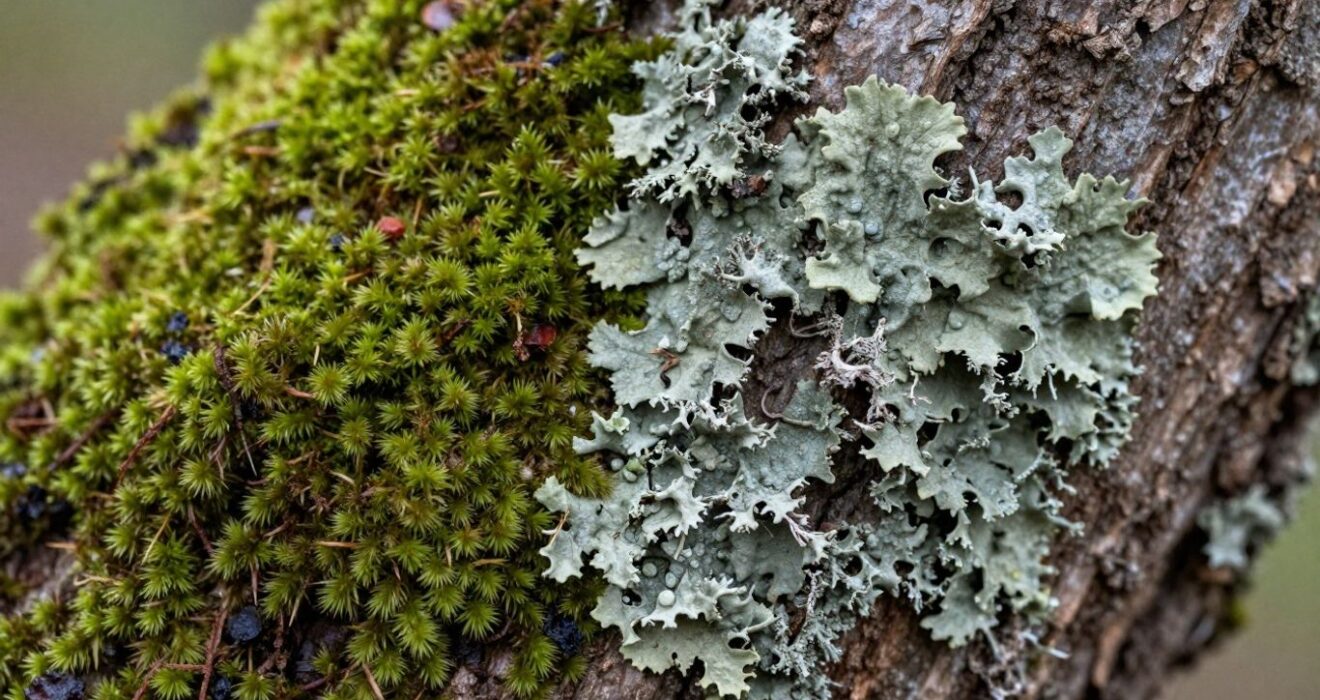
- Moss: These are tiny, green plants that love moisture and shade. They form soft, carpet-like layers.
- Lichen: A partnership between fungi and algae, lichens come in many shapes and colors, from leafy to crusty.
- Algae: Often appearing as a thin, green or sometimes reddish film, algae are simple organisms that also thrive in damp conditions.
What Causes Moss on Trees?
So, you’ve noticed that fuzzy green stuff on your tree bark, and you’re wondering what’s up with that. Is it some kind of disease? Nope, usually not. That “green fuzzy stuff on tree” is most likely moss, lichen, or sometimes even algae. And the main reason it shows up is pretty simple: the conditions are just right for it to grow.
Moss on trees thrives in damp, shady environments. Think about it – tree trunks and branches often provide a protected surface, especially on the side of the tree that doesn’t get much direct sun. If your area has high humidity or gets a lot of rain, that’s even more encouragement for moss to take hold. It’s not that the tree is unhealthy; it’s just that the bark offers a good place for these small organisms to anchor themselves and soak up moisture from the air and rain.
Several factors contribute to this growth:
- Shade: Dense canopies or nearby structures can create shaded areas on the trunk.
- Humidity and Moisture: Areas with frequent rain, fog, or high atmospheric moisture are prime spots.
- Air Quality: While not always the primary driver, good air quality can support lichen growth.
- Bark Texture: Rougher bark can provide more nooks and crannies for moss and lichen to attach.
It’s important to remember that these growths are often just indicators of the environment. If you see a lot of moss or lichen, it might mean the tree is in a spot that’s consistently moist and shaded. Sometimes, this can also be a sign that the tree itself isn’t as vigorous as it could be, making it more susceptible to various issues, including root diseases like Armillaria root disease, which can weaken the tree over time. This condition can make trees more prone to surface growths.
Moss vs. Lichen vs. Algae: What’s the Difference?
Okay, so you’ve spotted some green stuff on your tree, and you’re wondering what it is. It’s super common to mix up moss, lichen, and even algae because they often hang out in similar damp, shady spots and can look a bit alike. But here’s the scoop: they’re actually pretty different critters.
Moss
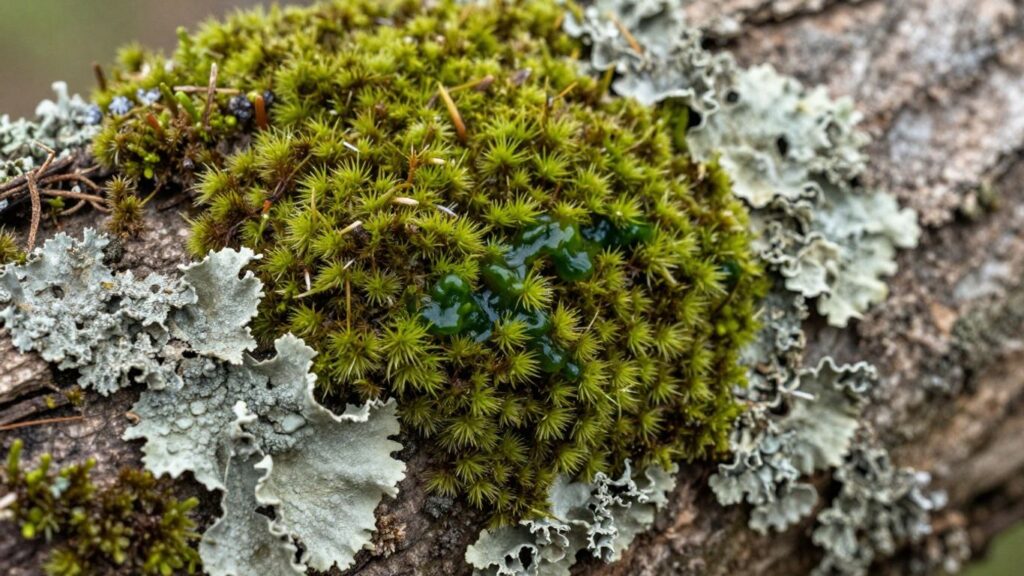
Moss is a plant. Yep, a real, albeit simple, plant. Think of it as one of nature’s tiny, ancient green carpets. Unlike the big trees or flowers we’re used to, mosses don’t have true roots, stems, or leaves in the way we typically think of them. Instead, they have these little leaf-like structures and stem-like bits, and instead of roots, they have tiny hair-like things called rhizoids that just help them hold on. They absorb water and nutrients right through their surfaces, kind of like a sponge. This is why they need to stay moist and can’t grow too tall, or the tops would just dry out.
Lichen
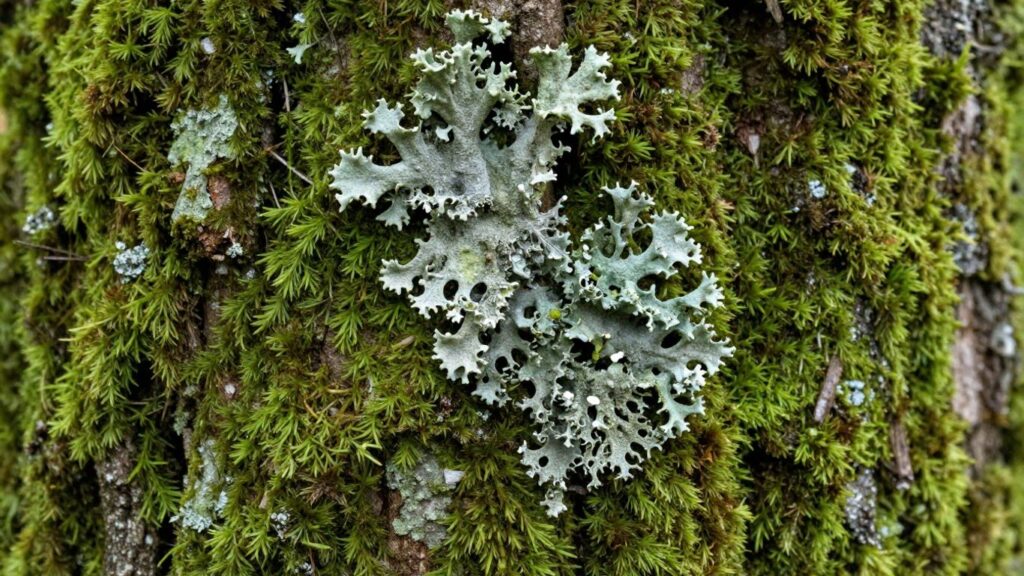
Now, lichen is where things get interesting. A lichen isn’t a single organism; it’s a partnership. It’s a fungus and an alga (or sometimes a cyanobacterium) living together in a mutually beneficial relationship. The fungus provides a protective structure, kind of like a cozy home, shielding the alga from drying out and too much sun. In return, the alga, which can photosynthesize, makes food for both of them. When lichens are wet, the alga inside can show through, giving them a greenish hue that can fool you into thinking it’s moss. But when they’re dry, lichens can turn all sorts of colors – grays, oranges, yellows, even reds – and they come in many shapes, like crusty patches, leafy bits, or even little shrubby structures. They definitely don’t have leaves like moss does.
Algae
Algae are the simplest of the bunch. They’re plant-like organisms that can make their own food using sunlight, but they lack the more complex structures like true roots, stems, and leaves that even mosses have. On trees, algae often show up as a thin, powdery coating. You might see it as a green film, but sometimes it can appear as orange or even rusty-red patches, especially on the side of the tree that gets more wind and rain. A common type you might see is Trentepohlia, which can give that distinctive rusty-red color.
Does Moss on Trees Harm Them?
Most folks see green tufts popping up on bark and start to worry the tree is in trouble. The truth is, moss growing on tree trunks or branches is rarely the bad guy. Moss does not feed on the tree, steal its water, or break down the bark. It’s just camped out on the surface, soaking up the moisture in the air.
Here’s what happens when moss grows on trees:
- Moss clings with tiny hair-like anchoring structures (not true roots), so it doesn’t dig into the bark.
- It lives off rain, fog, and humidity, not the tree’s own resources.
- Moss won’t harm the tree’s internal health or block nutrients.
In fact, moss is more like a natural decoration, and for many trees, it means the habitat is humid, and the air is clean. If you’re still feeling uneasy, you can read more about how moss growing on trees is not a problem for the tree; it doesn’t damage the bark at all right here: Moss growing on trees is not a problem.
Signs Your Tree Has a Bigger Problem
Sometimes, spotting moss or lichen growing on your trees is pretty normal, especially in a damp or shady area. But what if there’s something else going on? Knowing the difference between harmless growth and a real problem can save your tree down the road. Here’s what to watch for when identifying growths on tree trunks that might signal a larger issue:
- Dead or dying branches high up or throughout the canopy
- Yellowing, thinning, or dropping leaves outside of fall
- Deep cracks in the trunk, areas of missing or peeling bark
- Fungi like mushrooms at the base or on roots
- Soft, spongy wood or visible decay
- Persistent, heavy moss or lichen that seems to cover large sections of bark
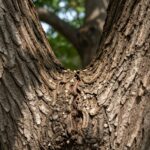
If your tree has several of these warning signs, something more worrisome may be going on than just moss growth. Keep an eye out for structural issues, too. For instance, codominant stems, which form a narrow “V” and have strange bark patterns or cracks, often need attention. You can read more about weak trunk connections in the section on codominant tree trunks.
Remember, while moss, lichen, and even some algae often just signal a moist or shady environment, changes in the tree’s health are what you really need to focus on.
How to Remove Moss on Trees (If Necessary)
So, you’ve noticed a bit too much fuzzy green stuff on your trees, and you’re wondering what to do about it. Most of the time, moss and lichen are just hanging out, minding their own business, and aren’t really hurting your tree. They often show up when conditions are just right, think damp and shady. But if it’s gotten a little out of hand, or you just prefer a cleaner look, there are a few ways to tackle it.
Natural Methods
Sometimes, the simplest approach is the best. Before you reach for anything harsh, try these gentler methods. They focus on improving the tree’s environment, which is often the real key.
- Improve Air Circulation: Prune away any overcrowded or dead branches. This lets more sunlight and air get to the bark, making it less welcoming for moss and lichen.
- Adjust Watering: Make sure your tree isn’t getting too much water, especially at the base. Overwatering can contribute to damp conditions that moss loves.
- Clean Up Debris: Rake away fallen leaves and other organic matter from around the base of the tree. This helps reduce moisture and potential hiding spots for things that encourage growth.
Physical Removal
If you want to get rid of the visible growth directly, a bit of gentle scrubbing can work wonders. The goal here is to remove the moss without damaging the tree’s bark.
- Soft Brush: For light growth, a soft-bristled brush (like a paintbrush or a soft scrub brush) can often do the trick. Gently brush the moss away from the bark.
- Water Spray: Sometimes, a firm spray of water from your hose can help dislodge moss, especially after brushing.
- Avoid Scraping: Try not to use stiff brushes, wire brushes, or sharp tools. You don’t want to scrape off the bark itself, as this can injure the tree and open it up to other problems.
Chemical Treatments (Use With Caution)
Chemical options are usually a last resort, and honestly, they’re often not necessary. If you do decide to go this route, be extremely careful. Harsh chemicals can harm the tree, beneficial insects, and the surrounding environment.
- Commercial Cleaners: There are specific cleaners designed for removing moss and lichen from trees. Always follow the product instructions exactly. Test on a small, inconspicuous area first.
- DIY Solutions: Some people try solutions like diluted vinegar or baking soda. Again, use these sparingly and test first. They can alter the pH of the bark and potentially cause damage.
When to Call a Professional Arborist
Most of the time, moss and lichen on your trees are just a sign of a healthy, humid environment, and they aren’t really hurting anything. Think of them as little green decorations. But, there are definitely times when you should get a professional involved.
You should consider calling an arborist if you notice any of these things:
- The moss or lichen growth is really thick, covering a large part of the trunk and branches.
- Your tree looks generally unhealthy. This could mean yellowing leaves, wilting branches, or signs of disease.
- You’ve tried some basic removal methods, and the growth keeps coming back aggressively, or the tree’s condition isn’t improving.
- The tree is in a location where its health is really important, like near a house or a high-traffic area, and you’re worried about potential branch failure.
Sometimes, that thick growth isn’t the main problem itself, but rather a symptom of something else going on with the tree or its surroundings. An arborist has the knowledge to figure out if there’s an underlying issue, like poor soil, lack of sunlight due to overcrowding, or even a pest problem, that’s making the tree more susceptible to excessive growth. They can properly assess the tree’s overall health and the environment it’s in to give you the best advice.
Preventing Excessive Moss Growth
So, you’ve got a bit too much moss, lichen, or algae on your trees and you want to dial it back. The good news is, you don’t always need to go in with harsh treatments. Often, the best way to prevent excessive growth is by focusing on the tree’s overall health and its environment. Think of it like this: a healthy, happy tree is less likely to be overrun by these growths.
One of the biggest factors is moisture and air circulation. Mosses and lichens love damp, still air. If your tree’s branches are really crowded, or if there’s a lot of shade from other plants or buildings, it can create the perfect humid microclimate for them. Improving air flow is key to discouraging their growth.
Here are a few things you can do:
- Prune Wisely: Regularly trim back overcrowded branches. This lets more sunlight reach the bark and allows air to circulate freely. It’s like giving your tree a good haircut so it can breathe better. Don’t forget to remove any dead or dying branches, as these are prime real estate for unwanted growth.
- Manage Shade: If possible, trim back overhanging vegetation from other trees or shrubs that might be contributing to excessive shade and dampness on your tree.
- Water and Feed Appropriately: While mosses and lichens get moisture from the air, a healthy tree with strong roots can better withstand environmental conditions. Make sure your tree is getting adequate water, especially during dry spells, and consider feeding it if your soil is poor. A vigorous tree is naturally more resistant.
Sometimes, if you’re dealing with particularly stubborn ball moss, you might consider treatments. For instance, a baking soda solution or a fungicide containing copper, applied during the tree’s dormant period in winter, can be effective. Always follow product instructions carefully, though. If you’re unsure about the best approach for your specific tree, it’s always a good idea to consult with a local arborist. They can help identify any underlying issues and recommend the most suitable methods for your tree’s health.
So, What’s the Takeaway?
Alright, so we’ve talked about mosses and lichens, and how they’re not quite the same thing, even though they often hang out together on trees. Remember, moss is a simple plant, and lichen is more like a team-up between a fungus and some algae. Neither of them are actually hurting your trees, so don’t stress too much about them. They’re just doing their thing, and sometimes, their presence can even be a sign that the air quality is pretty good! If you’re still not sure what you’re looking at, or if you’re worried about a tree, it’s always a good idea to ask someone who knows trees really well. But for the most part, these little green and grey bits are just part of nature’s show.
Frequently Asked Questions
What’s the main difference between moss and lichen?
Think of it this way: moss is a simple plant, while lichen is like a team-up between a fungus and an alga or cyanobacteria. Mosses have tiny stems and leaves, and they’re true plants. Lichens, on the other hand, are not plants at all; they’re a partnership where the fungus provides the structure and the alga does the photosynthesis for food.
Do moss and lichen harm trees?
Generally, no! Moss and lichen aren’t feeding on the tree. They’re just using the bark as a place to grow. In fact, their presence can sometimes be a sign of good air quality. However, if a tree is already unhealthy, moss or lichen might grow excessively, which can be a clue that something else is wrong with the tree.
Why do moss and lichen grow on trees?
Moss and lichen love damp, shady spots. Trees provide a stable surface, and if the environment is humid with not too much direct sun, it’s a perfect place for them to settle in. They get the moisture and nutrients they need from the air and rain.
Can I tell moss and lichen apart just by looking?
It can be tricky! Mosses look like tiny green plants with little leaves and stems, often forming soft carpets. Lichens are more varied; they can be leafy, crusty, or even look like small, branching tufts. They also come in many colors, not just green. If it has tiny leaves, it’s likely moss. If it’s more like a flat patch or a brittle, colorful growth without leaves, it’s probably lichen.
When should I worry about moss or lichen on my trees?
You should pay attention if the growth is extremely thick, covering a large part of the tree, or if the tree itself looks unwell. Signs of an unhealthy tree include yellowing leaves, wilting branches, or stunted growth. In these cases, the moss or lichen might just be a symptom of a bigger problem with the tree’s health or its environment.
How can I get rid of moss or lichen if I don’t want it?
Often, you don’t need to remove it! But if you must, you can try gently brushing it off with a soft brush. Sometimes, improving the tree’s environment helps. This could mean trimming nearby branches to let in more sunlight and improve air flow. For persistent or widespread issues, it’s best to consult an arborist.