So, you’re thinking about planting an emerald cedar hedge? Smart move! These trees are pretty awesome for getting that privacy screen going. But, like anything in gardening, how you plant them really matters. Get the spacing wrong, and you might end up with gaps for ages, or worse, trees that don’t grow as well as they could. This guide is all about making sure your hedge turns out exactly how you want it – thick, green, and private.
Why Proper Hedge Spacing Makes or Breaks Your Privacy
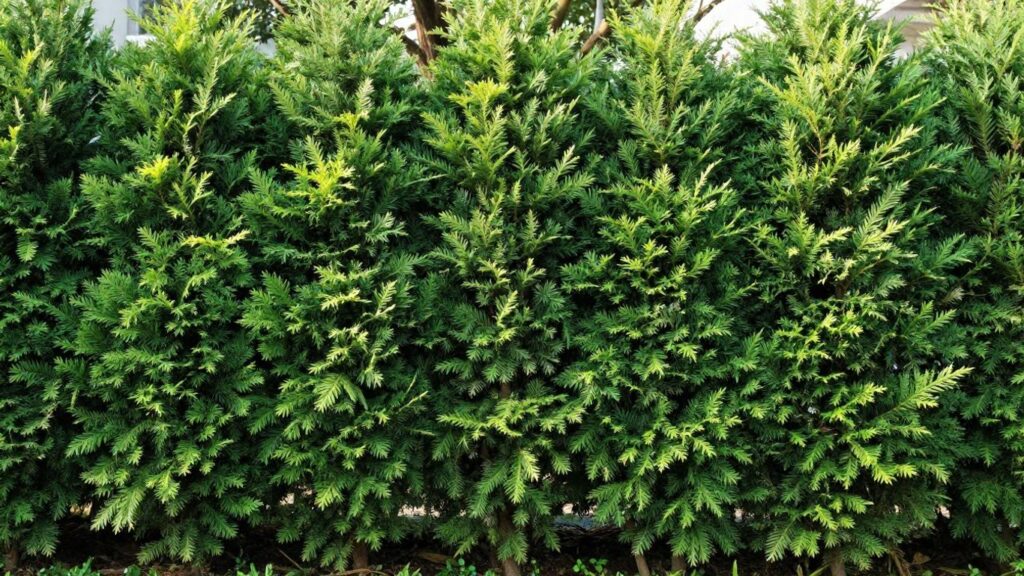
These trees are pretty popular for a reason – they’re evergreen, they grow reasonably fast, and they look good. But here’s the thing: just sticking them in the ground without a plan? That’s a recipe for disappointment. Getting the spacing right from the start is a really big deal. Too close, and they might struggle to grow properly, leading to a weak, patchy hedge. Too far apart, and you’ll be waiting ages for that solid wall of green you’re dreaming of.
Think of it like building a fence. You wouldn’t just randomly place posts, right? You measure, you plan, you make sure everything lines up. Planting a hedge is pretty similar. The distance between each tree directly impacts how quickly they fill in, how dense the hedge becomes, and ultimately, how much privacy you actually get. It’s not just about aesthetics; it’s about function. A well-spaced hedge acts as a natural, living barrier, keeping prying eyes out and giving you a peaceful outdoor space. Get it wrong, and you might end up with a sparse line of trees that offers little more than a suggestion of privacy. We’ll get into the nitty-gritty of how to nail this spacing thing so your hedge does exactly what you want it to do. For a dense and fast-growing hedge, plant cedar trees approximately 24 inches (60 cm) apart. This spacing makes it easier to calculate the number of plants required for your hedge [b05f].
The goal is a lush, full hedge that provides the privacy you desire without compromising the health and growth of the individual trees. It’s a balance that starts with that initial spacing decision.
What Is an Emerald Cedar (Thuja) Hedge?
So, you’re thinking about an emerald cedar hedge for your yard? Smart move. These trees, also known scientifically as Thuja occidentalis, are super popular for a reason. They’re basically the go-to for a reason when people want a solid, green privacy screen that doesn’t demand a ton of attention.
What makes them so great for hedging? Well, for starters, they’re evergreens, meaning you get that nice, consistent green color all year round. Plus, they have this naturally dense growth habit, with foliage that goes all the way down to the base. This is key for creating that solid wall of green you’re after. They tend to grow in a nice, upright, sort of columnar shape, which is perfect for lining things up without them getting too wild.
Here’s a quick rundown of what you’re getting with an emerald cedar:
- Evergreen Foliage: Year-round green color. No bare branches in winter.
- Dense Growth: Fills in nicely to create a thick barrier.
- Columnar Shape: Naturally grows upright, making it easy to form a hedge.
- Low Maintenance: Generally easy to care for once established.
They can get pretty tall, often reaching up to 20 feet, and spread out about 5 feet wide over their lifespan, which can be around 30 years. They’re not exactly lightning-fast growers, usually adding about a foot in height each year until they reach their mature size. This steady growth is actually a good thing for a hedge, as it means less frantic pruning.
Planting them correctly from the start is a big deal. It sets them up for success and helps them grow into that full, lush hedge you’re dreaming of. Getting the spacing right, which we’ll talk about next, is probably the most important part of that initial setup. It’s like giving them enough room to breathe but close enough to eventually become one big happy family.
Ideal Spacing for a Full Emerald Cedar Hedge
Alright, so you’re looking to get a really thick, private hedge going with your Emerald Cedars. This is where spacing really matters, and honestly, it’s not super complicated once you get the hang of it. The closer you plant them, the faster you’ll get that solid wall of green. Think of it like planting a row of friends – if they stand shoulder-to-shoulder, they fill the space right away. If they stand a bit apart, there are gaps, and it takes longer for everyone to connect.
For a truly full and dense hedge that looks like it’s always been there, you’ll want to plant your Emerald Cedars fairly close together. We’re talking about measuring from the center of one tree’s trunk to the center of the next one. Here’s a general idea:
- For quick, dense coverage: Aim for 2 to 2.5 feet between tree centers. This is your best bet for a privacy screen that fills in fast. You’ll have minimal gaps from the get-go.
- For good coverage that fills in over time: You can go with 3 feet between tree centers. There will be some space between them initially, but they’ll grow together nicely over a few seasons.
- For a more mature look with less initial density: Spacing them 4 feet apart is an option, but this is better if you’re not in a huge rush for total privacy or if you want them to look more like individual trees that eventually touch.
It’s important to remember that Emerald Cedars are naturally quite slender. They don’t spread out wide like some other shrubs. This is why planting them closer is key to achieving that hedge effect. If you plant them too far apart, you might end up with a line of individual trees rather than a unified hedge, and it will take a long time for them to fill in those gaps.
So, if you want that instant privacy, don’t be shy about planting them closer together. It might feel a little crowded at first, but that’s exactly what you want for a lush, full Emerald Cedar hedge.
Factors That Affect Thuja Hedge Spacing
So, you’re thinking about planting it for some serious privacy. Awesome choice! But before you start digging, let’s chat about a few things that actually matter when deciding how far apart to put these trees. It’s not just about grabbing a tape measure and going for it.
First off, think about how quickly you want that green wall to appear. If you’re impatient (no judgment here!), you’ll want to plant them closer together. This means they’ll start touching sooner and fill in that gap much faster. On the flip side, if you’re okay with a bit of a wait and want a more mature look down the road, you can space them a little wider.
Here’s a quick rundown of how spacing can affect your hedge:
- 2 feet apart: This is for a hedge that fills in super fast. The trees will be almost touching from day one.
- 2.5 feet apart: You’ll get pretty good privacy right away, with just a few small gaps that will close up over time.
- 3 feet apart: This gives you full coverage when the trees are fully grown, but there will be noticeable gaps when you first plant them.
- 4 feet apart: These are more like individual trees that won’t touch even when mature. Good if you’re not aiming for a solid wall.
Another thing to consider is the specific type of Thuja you’re getting. While Emerald Cedars are generally known for their upright, slender growth, other varieties might be a bit more stout. A fluffier tree might need a little more room to spread out its branches without getting too crowded.
Finally, think about the soil and sunlight. While Emerald Cedars are pretty forgiving, they do best in full sun and well-draining soil. If your chosen spot is a bit shady or tends to hold water, the trees might not grow as vigorously, which could affect how quickly they fill in, no matter how close you plant them.
Step-by-Step Planting Guide for White Cedar Hedging
Alright, so you’ve decided on white cedar hedging for that privacy screen you’ve been dreaming about. Awesome choice! Now, let’s get these trees in the ground so they can start doing their thing. It’s not rocket science, but a little care goes a long way.
First things first, pick your spot. You want good drainage and plenty of sun – these guys love to soak it up. Before you start digging, lay out your hedge line. Use a garden hose or some spray paint to get a visual. This helps you see how it’ll look and figure out where each tree will go. Remember, we’re aiming for a solid wall of green, so spacing is key. For a hedge that fills in relatively quickly, aim for about 2 to 3 feet between the center of each trunk. If you’re not in a huge rush, you can stretch that to 3 to 4 feet, but closer usually means faster privacy.
Here’s a quick rundown of the planting process:
- Dig the Hole: Make it wider than the root ball, but no deeper. You want the top of the root ball to sit right at ground level. No burying the trunk!
- Prepare the Tree: If your cedar is in burlap, you can usually leave it on. Just untie the strings around the trunk and fold the burlap down into the hole. This helps keep the root ball together.
- Add Some Goodies: Toss a small handful of bonemeal fertilizer into the bottom of the hole. It’s like a little energy boost for the roots to get them going.
- Backfill and Settle: Gently fill the hole with the soil you dug out. Pat it down lightly as you go to get rid of big air pockets. If the tree looks a bit wobbly, just straighten it and pack more soil around the base.
- Water Deeply: Give your new hedge a really good soak right after planting. This helps settle the soil and gets water to those roots.
Don’t overthink it. Plant them, water them, and give them a little time. They’re pretty forgiving trees.
Common Emerald Cedar Hedge Mistakes to Avoid
So, you’re ready to get those Emerald Cedars in the ground for ultimate privacy. Awesome! But before you start digging, let’s chat about a few things that can trip people up. Getting these wrong can mean a sparse hedge, unhappy trees, or just a lot more work down the line.
One of the biggest oopsies is planting them too close together. I know, I know, you want that thick privacy screen now. But these trees need room to spread their roots and branches. If you cram them in like sardines, they’ll end up competing for light, water, and nutrients. This can lead to weak growth, thinning foliage, and even make them more susceptible to diseases. Remember, a little patience with spacing now means a much fuller, healthier hedge later.
Another common pitfall is not thinking about the soil. Emerald Cedars aren’t super picky, but they do like well-draining soil. If your planting spot holds water like a sponge, you’re asking for root rot. That’s a fast track to sad, dying trees. Make sure the area drains well, or consider amending the soil to improve it before you plant.
Here are a few other things to watch out for:
- Overwatering: Especially right after planting, it’s easy to go overboard. While they need consistent moisture, soggy roots are a no-go. Stick to a regular watering schedule and check the soil moisture before watering again.
- Underwatering: On the flip side, letting them dry out completely, particularly during hot, dry spells, will stress them out. Keep an eye on the soil, especially in the first year.
- Planting too deep: Just like any tree, planting an Emerald Cedar too deep can suffocate the roots and cause problems. Make sure the top of the root ball is level with or slightly above the surrounding soil.
- Forgetting about sunlight: While they can tolerate some shade, Emerald Cedars really thrive and grow their densest in full sun. Planting them in a spot that’s too shady will result in leggier growth and less dense foliage.
Finally, resist the urge to constantly prune them into a perfect shape right away. Emerald Cedars have a natural, attractive form. Pruning is more for maintenance – like trimming off dead branches or shaping them once they’ve reached your desired height – rather than trying to force a shape on a young, growing hedge. Let them grow into themselves a bit first.
How Long Does It Take for a Thuja Hedge to Fill In?
So, you’ve planted your Emerald Cedars, spaced them out just right, and now you’re wondering when you’ll actually have that solid wall of green privacy. It’s a fair question, and the honest answer is: it depends.
Generally, you can expect a noticeable hedge within 3 to 5 years, with full, dense privacy taking closer to 5 to 7 years.
Several things play a role in how quickly your Thuja hedge matures. First off, the spacing you chose at planting time is a big one. If you planted them closer together, say 2 to 3 feet apart, they’ll naturally fill in faster because they have less space to cover. Planting them further apart, like 4 to 6 feet, means each tree has more room to spread out, but it will take longer for those gaps to disappear.
Here’s a quick rundown of what influences the timeline:
- Initial Spacing: As mentioned, closer spacing means a quicker fill-in.
- Tree Health and Vigor: Healthy, well-cared-for trees grow faster. This means giving them the right amount of water, decent soil, and enough sunlight.
- Environmental Conditions: Your local climate, soil type, and the amount of sun exposure all impact growth rates. Some areas just naturally promote faster growth than others.
- Variety: While we’re talking Emerald Cedars, even within that type, there can be slight variations in growth speed.
Think of it like this: planting them closer is like starting with a puzzle that’s almost complete. Planting them further apart is like starting with a puzzle that has a lot more pieces to fill in.
So, while you might not have complete privacy on day one, with consistent care, your hedge will steadily grow into the beautiful, dense screen you envisioned. Just keep an eye on them, water them well, and enjoy watching them fill in year after year.
Conclusion
So, there you have it. Planting an Emerald Cedar hedge might seem like a bit of work at first, but honestly, it’s pretty straightforward once you get the hang of it. You’ve picked the right spot, figured out the spacing – whether you want it thick and fast or a bit more patient – and got them in the ground. Now, just give them a little water, especially at the start, and watch them grow. Before you know it, you’ll have a beautiful, green wall giving you all the privacy you need. It’s a pretty sweet deal for a relatively low-maintenance plant. Go ahead, relax, and enjoy that new sense of seclusion in your own backyard.
Frequently Asked Questions
How far apart should I plant Emerald Cedars for a thick hedge?
For a really full and fast-growing hedge, plant your Emerald Cedars about 2 to 3 feet apart. This close spacing helps them grow together quickly, creating a solid wall of green.
Can Emerald Cedars grow in shady spots?
Emerald Cedars love sunshine and grow best with at least 6 hours of direct sun each day. While they can survive in partly shady areas, they might not grow as quickly or look as full.
What kind of soil do Emerald Cedars like?
These trees prefer soil that drains well, meaning water doesn’t just sit around the roots. They also like soil that’s not too dry and has a balanced or slightly alkaline pH.
How often should I water a new Emerald Cedar hedge?
When you first plant them, water your Emerald Cedars daily for about 3 weeks. After that, just make sure the soil stays damp but not soggy, especially during dry spells.
Do I need to trim my Emerald Cedar hedge?
You don’t have to prune them to keep their natural shape, but you can trim them to maintain the size and look you want. It’s a good idea to snip off any dead branches in late fall or early winter.
How long until my new hedge looks completely full?
It takes time for a hedge to fill in! Depending on how far apart you planted them and how well you care for them, it can take a few years for the trees to grow together and create that dense privacy screen you’re looking for.